Among Bali’s beach clubs, rooftop bars, smoothie bowls, and influencer cafés, there’s one part of the island’s food scene that continues to quietly win people over — the humble local warung.
For many visitors, Bali’s trendy café culture is part of the attraction. Stylish brunch spots in Canggu, Seminyak, and Ubud dominate social media feeds daily with perfectly plated breakfasts, colourful cocktails, and poolside views.
But increasingly, travellers are discovering that some of Bali’s best food experiences are still found inside small family-run warungs tucked down side streets, village roads, and local neighbourhoods.
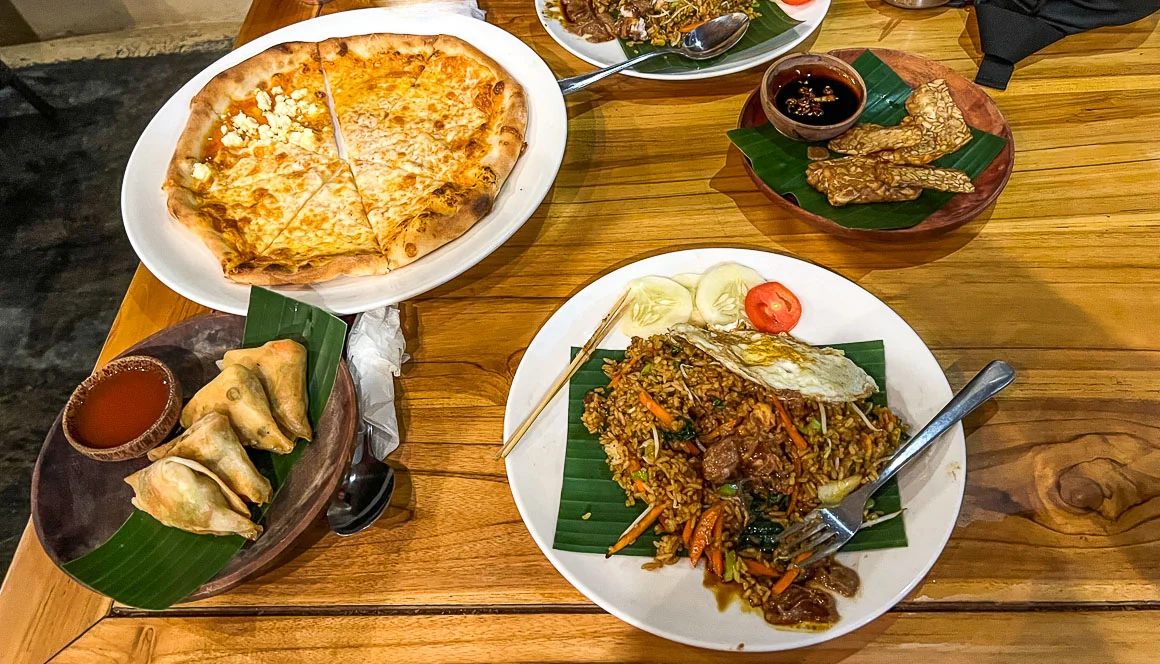
Across the island, warungs remain the heart of everyday Balinese and Indonesian dining culture. These small locally owned eateries serve traditional dishes that are often cooked from family recipes passed down through generations.
And unlike many tourist-focused venues, the food is usually made for locals first.
Popular dishes drawing tourists away from the café scene include:
- Nasi Campur
- Mie Goreng
- Babi Guling
- Soto Ayam
- Bakso
- Ayam Betutu
- Fresh grilled seafood
- Sambal served the real Indonesian way
For many travellers, the appeal goes beyond price.
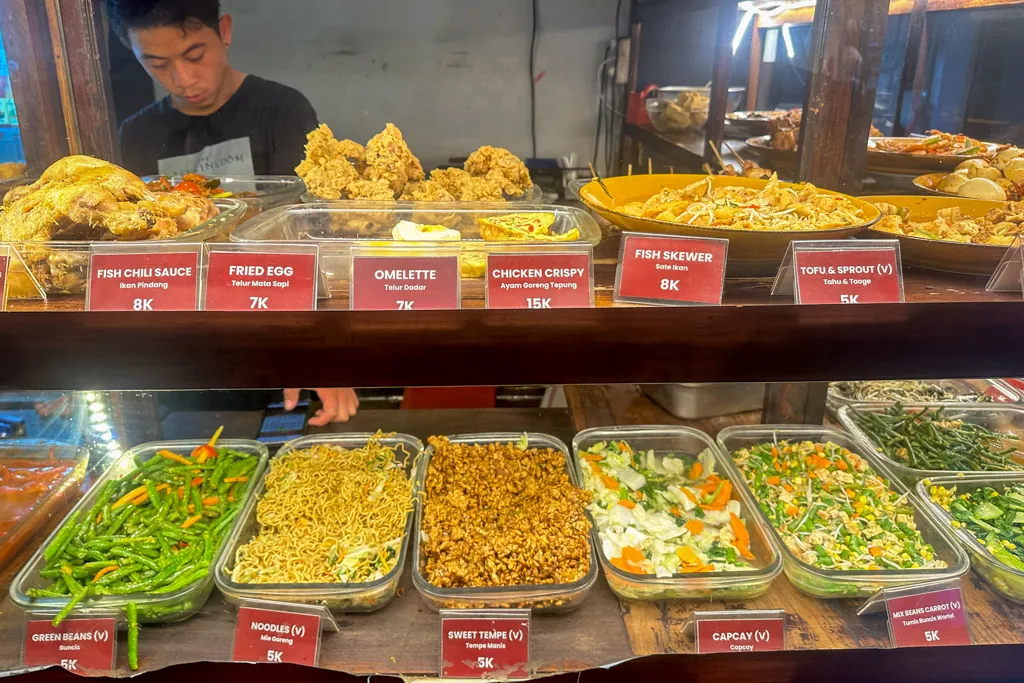
Yes — a full local meal for under AUD $5 surprises many first-time visitors — but people are increasingly chasing something more authentic. Something that feels connected to the island itself.
Tourism operators say food tourism is becoming one of Bali’s strongest experiences, with travellers actively seeking local recommendations instead of relying only on social media hotspots.
Many warungs have now become destinations in their own right, building loyal followings through word of mouth, TikTok, and YouTube travel creators highlighting “hidden gems” around Bali.
At the same time, some locals worry Bali’s café boom is beginning to overshadow traditional food culture, particularly in heavily developed tourist areas.
Balinese food vendors continue facing rising rents, changing neighbourhoods, and increasing competition from international-style hospitality venues aimed primarily at foreign visitors.
Despite this, the local dining scene remains one of the strongest parts of Bali’s identity.
Whether it’s sitting roadside eating satay under fluorescent lights, sharing bakso during a rainy night in Legian, or finding a small family kitchen serving the best nasi campur you’ve ever had — many travellers say these become the moments they remember most.
In Bali, food is more than just dining.
It’s culture.
It’s family.
It’s community.
And sometimes, the best meal on the island is the one without the Instagram lighting.
Stay tuned to Hey Rick News for more Bali food stories, local culture, travel updates, and hidden gems from across Indonesia.