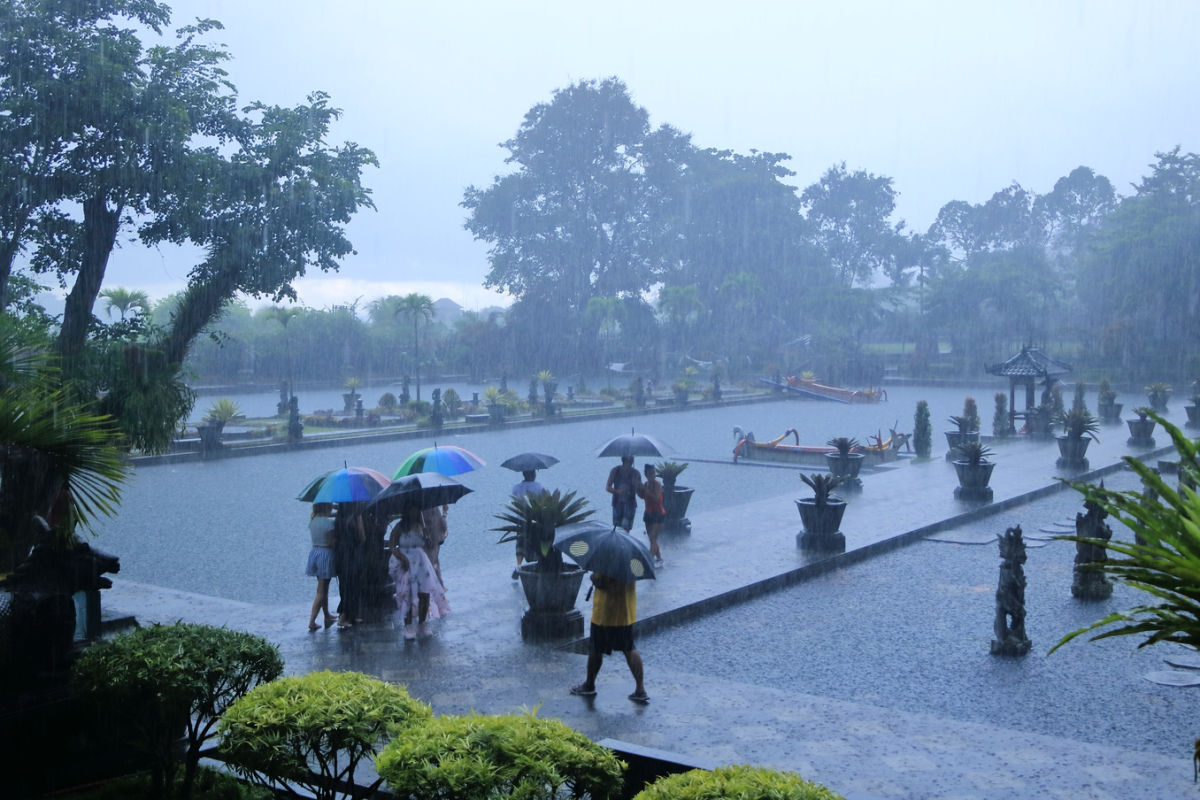
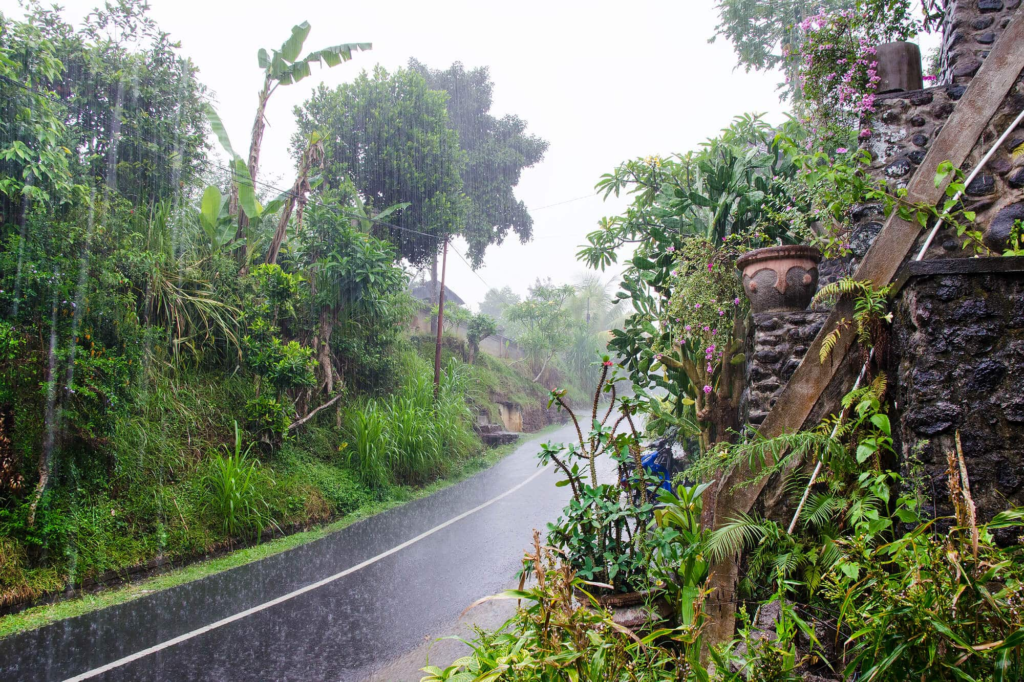
Across Bali, many locals say the island’s weather patterns no longer feel as predictable as they once did.
Heavy downpours during dry season.
Hotter nights.
Sudden storms.
Flooding in areas that rarely flooded before.
For years, Bali’s tourism calendar was built around two relatively predictable seasons — dry season and rainy season. But increasingly, residents, business owners, farmers, and tourism operators say those patterns are becoming harder to rely on.
In recent years, Bali has experienced:
- Unexpected flooding
- Longer periods of extreme heat
- Delayed rainy seasons
- Sudden weather changes
- Coastal erosion
- Stronger storm activity
Tourism businesses across the island are also adapting.
Outdoor venues, beach clubs, tour operators, cafés, and event organisers are increasingly building backup plans around unpredictable weather conditions.
Drivers and transport operators say flash flooding and traffic disruptions have also become more common during heavy rain events, particularly in areas with rapid development and drainage challenges.
Meanwhile, farmers across parts of Indonesia continue facing difficulties linked to shifting rainfall patterns and changing growing seasons.
Environmental groups say Bali’s rapid development may also be contributing to some localised flooding issues, particularly in heavily built-up tourism zones where green space and natural water drainage have been reduced.
At the same time, Bali’s natural beauty remains one of the island’s biggest attractions — from lush rice terraces to tropical storms rolling across the coastline.
For many travellers, rainy season in Bali still offers a completely different side of the island:
- Greener landscapes
- Fewer crowds
- Cooler evenings
- Dramatic skies
- Lower accommodation prices
Some visitors even prefer it.
But for locals living and working on the island year-round, changing weather patterns are becoming part of a bigger conversation about infrastructure, sustainability, development, and Bali’s future.
Scientists continue studying how climate change may impact Indonesia and Southeast Asia over coming decades, particularly for coastal regions and tourism-dependent economies.
For now, many people in Bali simply say the seasons don’t feel the way they used to.
And on an island where weather shapes tourism, farming, ceremonies, and daily life — people are paying attention.
Stay tuned to Hey Rick News for more Bali environment stories, tourism updates, local culture, and news from across Indonesia.