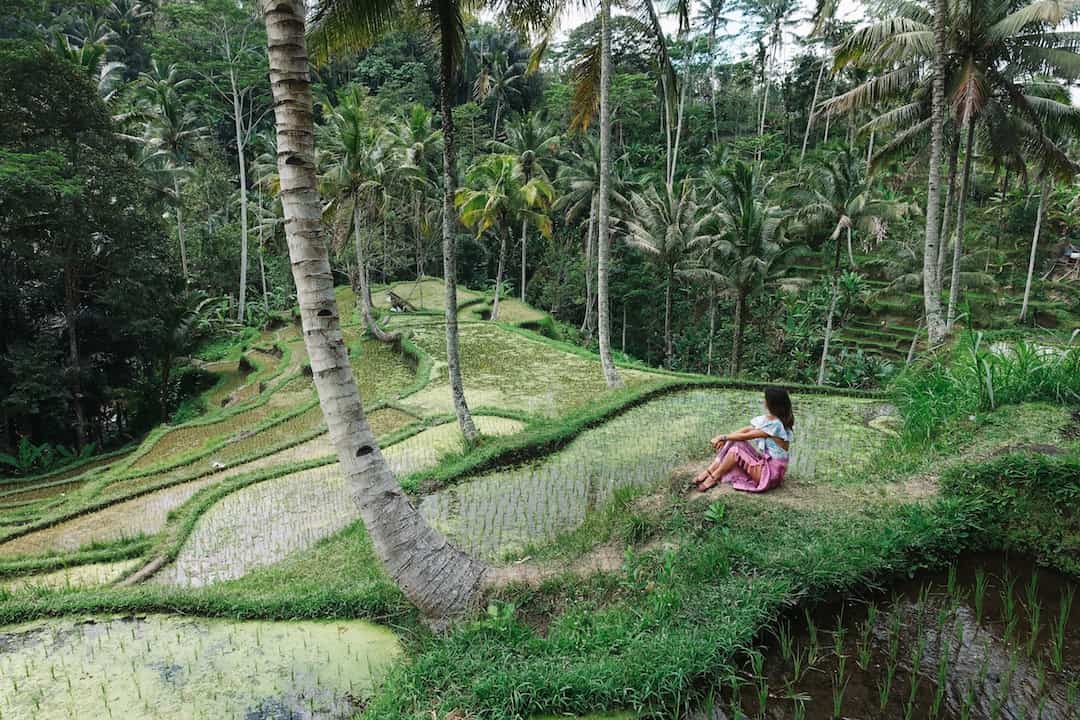
For years, travel in Bali often meant rushing from one destination to the next — beach clubs, waterfalls, cafés, temples, day trips, and packed itineraries designed to “see everything” in just a few days.
But across Indonesia, a growing number of travellers are now moving in the opposite direction.
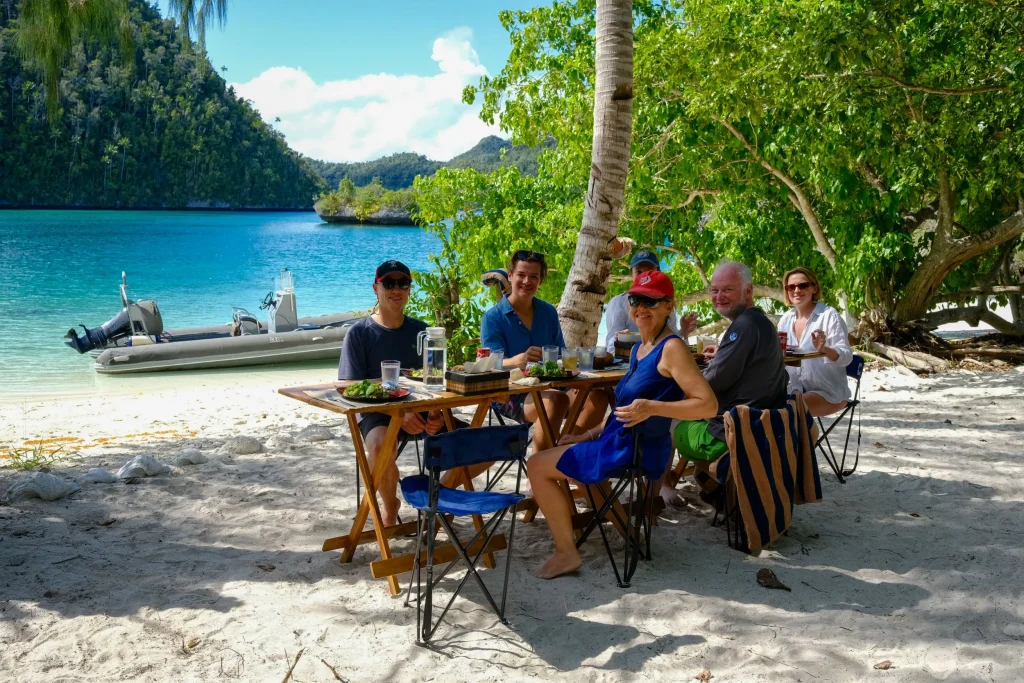
Instead of fast travel, more tourists are embracing what’s known as “slow travel” — spending longer in fewer places, connecting more deeply with local culture, and focusing less on ticking boxes for social media.
Travel operators say visitors are increasingly choosing:
- Longer stays in one location
- Train travel across Java
- Village homestays
- Local food experiences
- Walking tours
- Wellness retreats
- Cultural workshops
- Smaller group experiences
The trend has become especially popular among travellers aged 30 and above, many of whom say they are no longer interested in “racing around” Indonesia trying to see everything in one trip.
Instead, people are prioritising meaningful experiences, personal connection, and a slower pace of travel.
Java’s railway network has seen growing international interest, with travellers choosing overnight trains and scenic regional journeys rather than domestic flights.
Areas like Ubud, Amed, Sidemen, and parts of East Java are also benefiting from travellers looking for quieter alternatives to Bali’s busiest tourist zones.
Tourism experts say the rise of remote work and flexible lifestyles has also changed how people travel.
Rather than taking short holidays, many visitors now spend weeks or even months moving slowly through different parts of Indonesia while working remotely online.
Social media may also be influencing the shift.
Ironically, after years of fast-paced travel content dominating TikTok and Instagram, many travellers now say they are feeling burnt out by constant “must-see” tourism pressure.
Instead of chasing every trending location, people are searching for experiences that feel more genuine and personal.
For local communities, slow travel can also bring benefits.
Travellers staying longer often spend more money locally, support small businesses, and build stronger relationships with guides, drivers, cafés, and accommodation providers.
At the same time, tourism operators say balancing growth while protecting local culture and infrastructure remains a major challenge across Indonesia.
Still, many believe slow travel represents a positive direction for Bali and the wider region.
Because sometimes, the best experiences happen when travellers stop trying to see everything — and simply spend time being present where they are.
Stay tuned to Hey Rick News for more Bali travel trends, tourism stories, culture, and local updates from across Indonesia.